 Terravect Systems
This briefing is the confidential and proprietary information of Industrial Assets, trading as Terravect Systems, shared with you in confidence for the sole purpose of evaluating a potential investment.
By selecting "I accept" and continuing, you acknowledge that its contents are confidential and agree not to disclose, reproduce or distribute any part of it to any third party without our prior written consent.
Terravect Systems
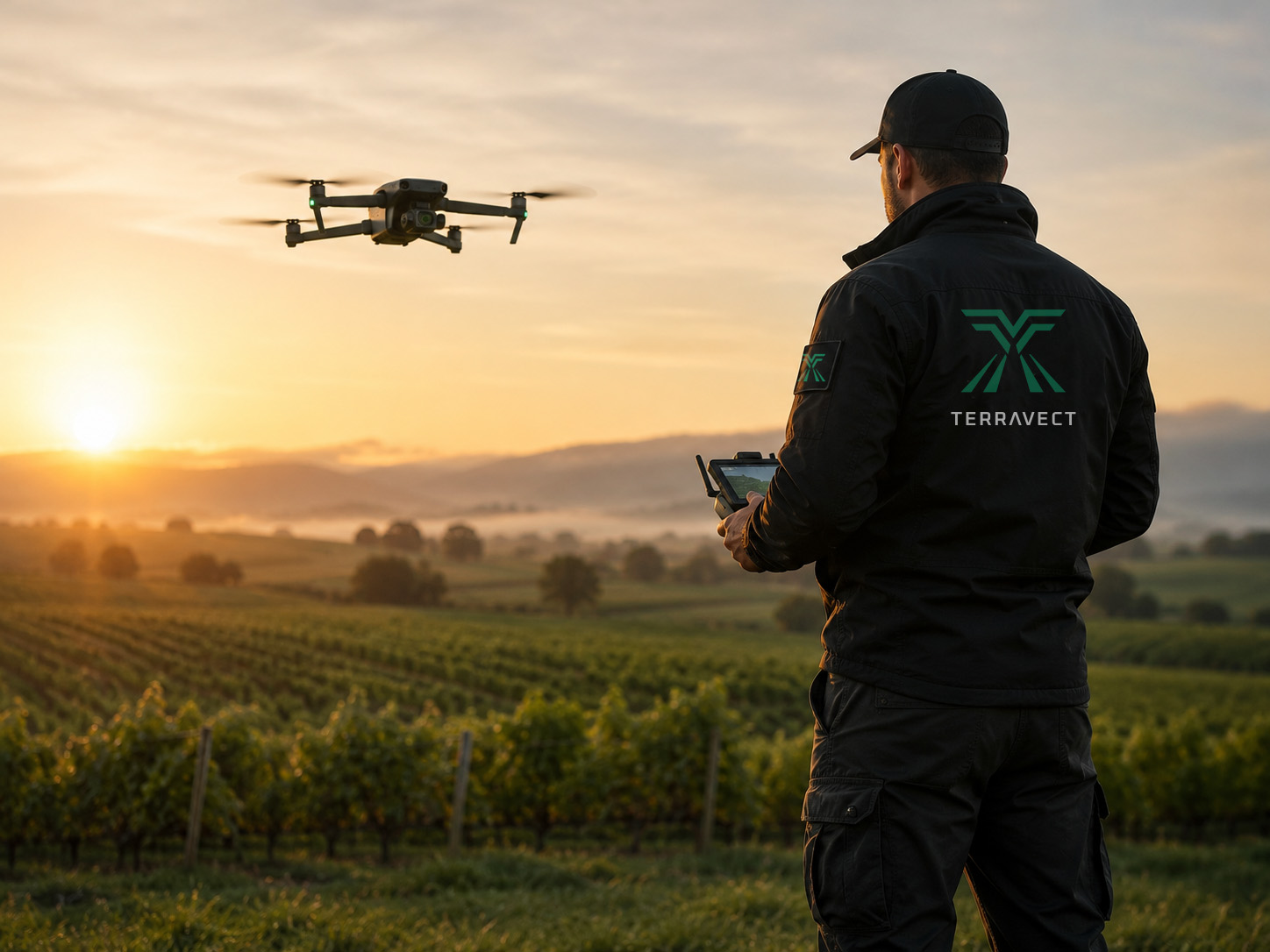

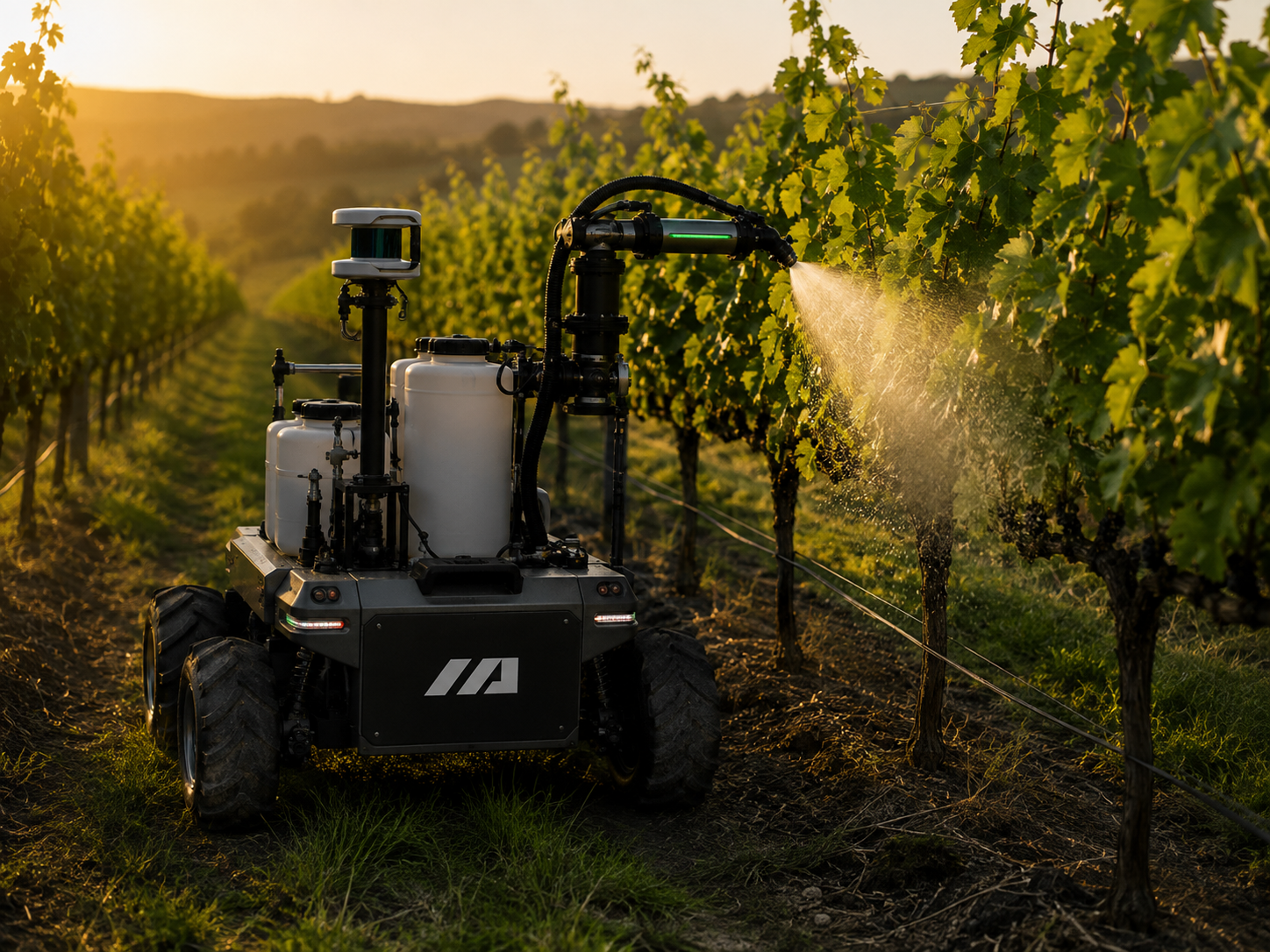
The autonomous fleet is where this goes. It isn't where we start. A distributed network of trained Terravect Pilots delivers the software's full value now — on real client sites, within today's regulations — and becomes the footprint autonomy rolls out onto.
Confidential. This briefing is the confidential and proprietary information of Industrial Assets, trading as Terravect Systems, shared with you in confidence for the sole purpose of evaluating an investment. By viewing it you agree not to disclose, reproduce or distribute any part to any third party without our prior written consent.
So the question that decides the next few years: how do we deliver the value now — at scale, legally — and be positioned to flip to autonomy the moment the rules allow?
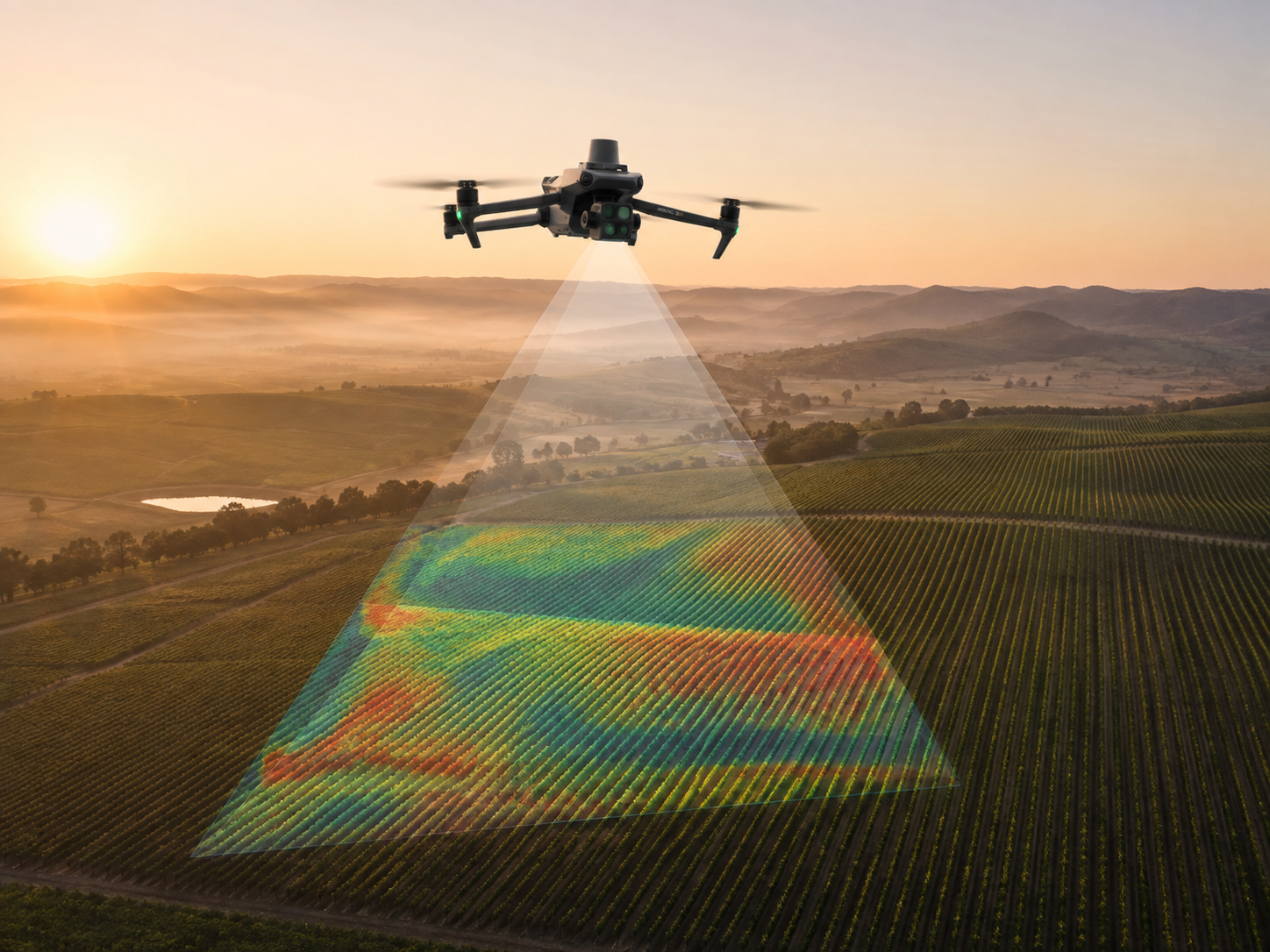
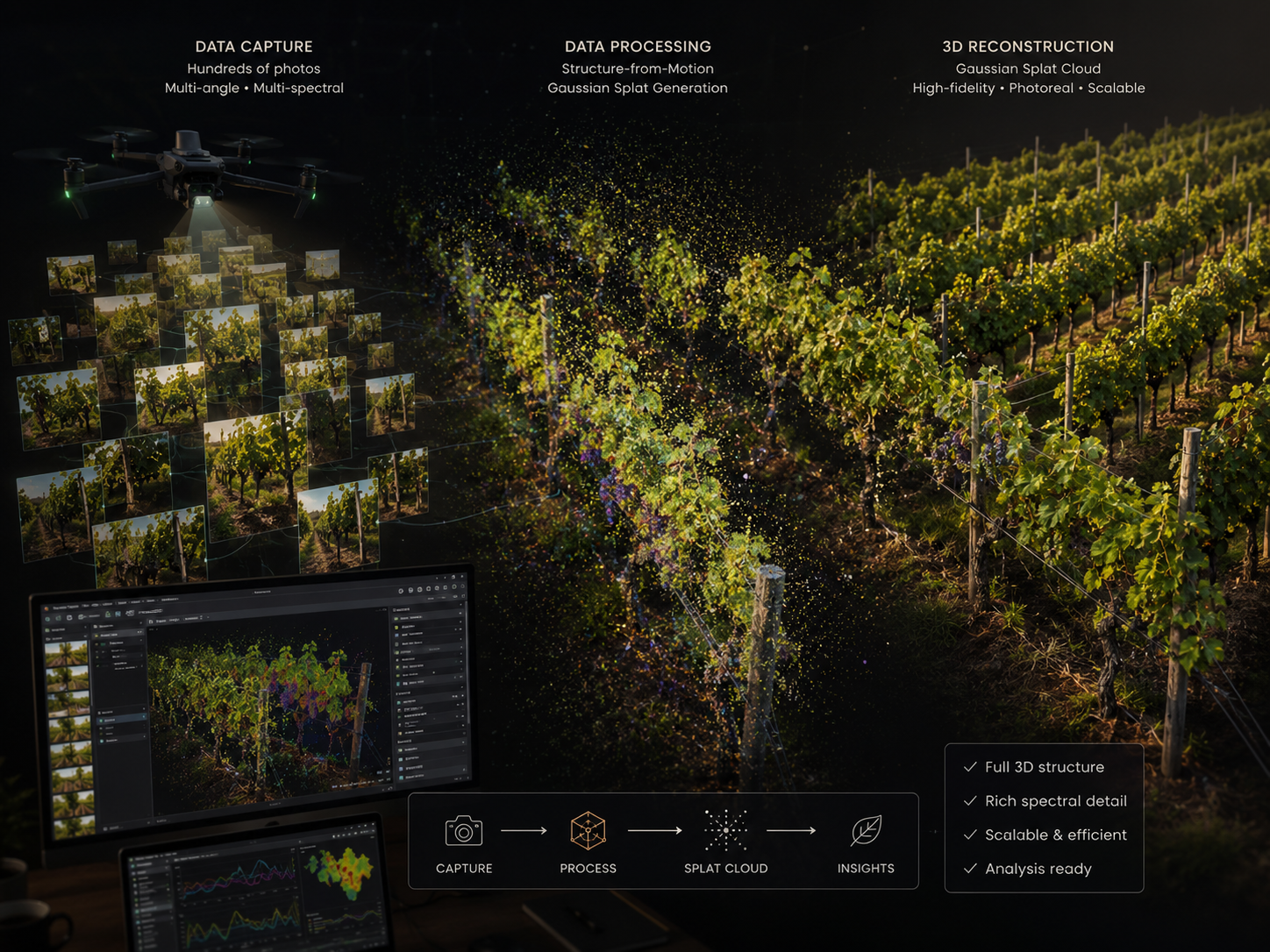
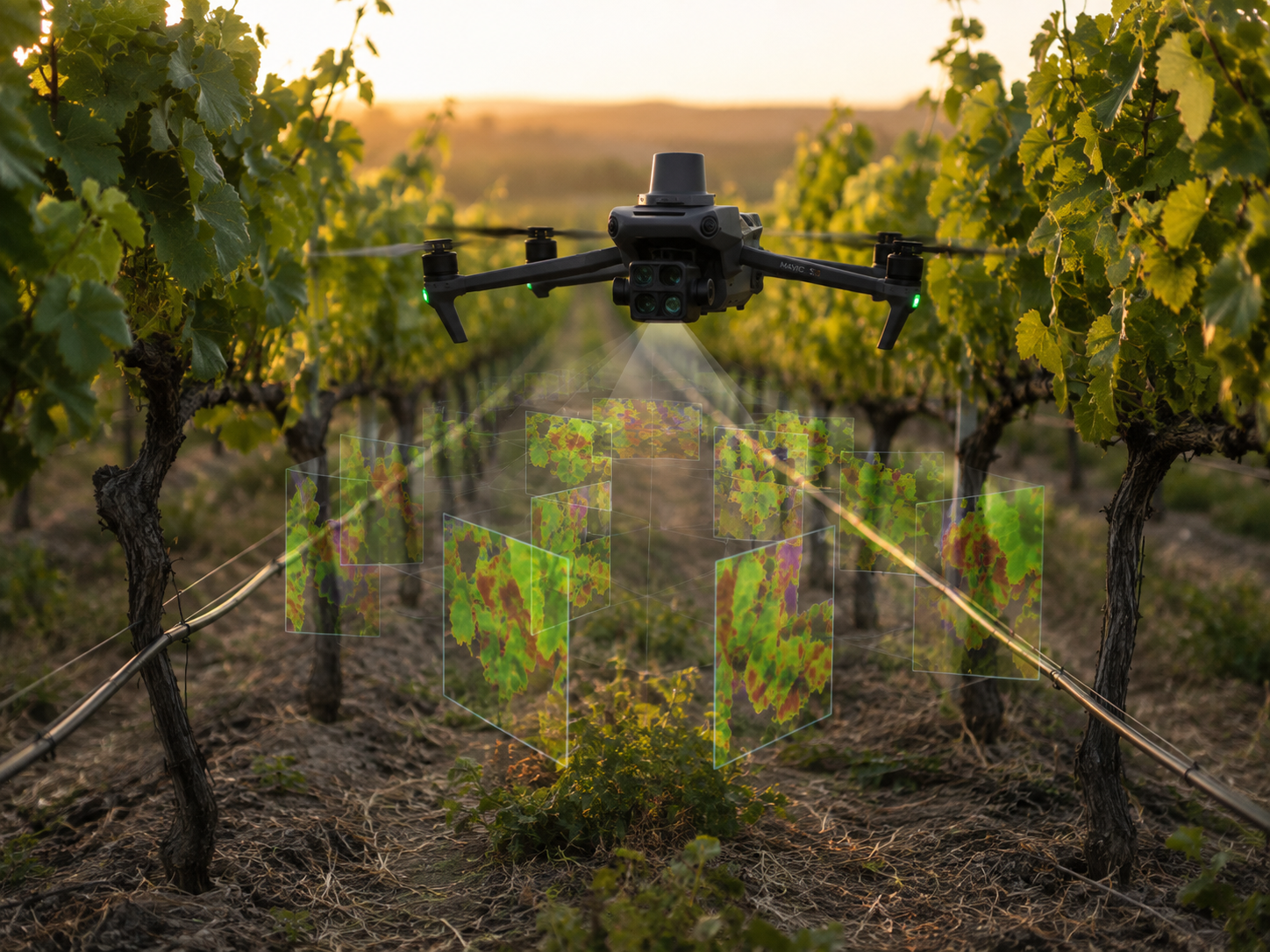
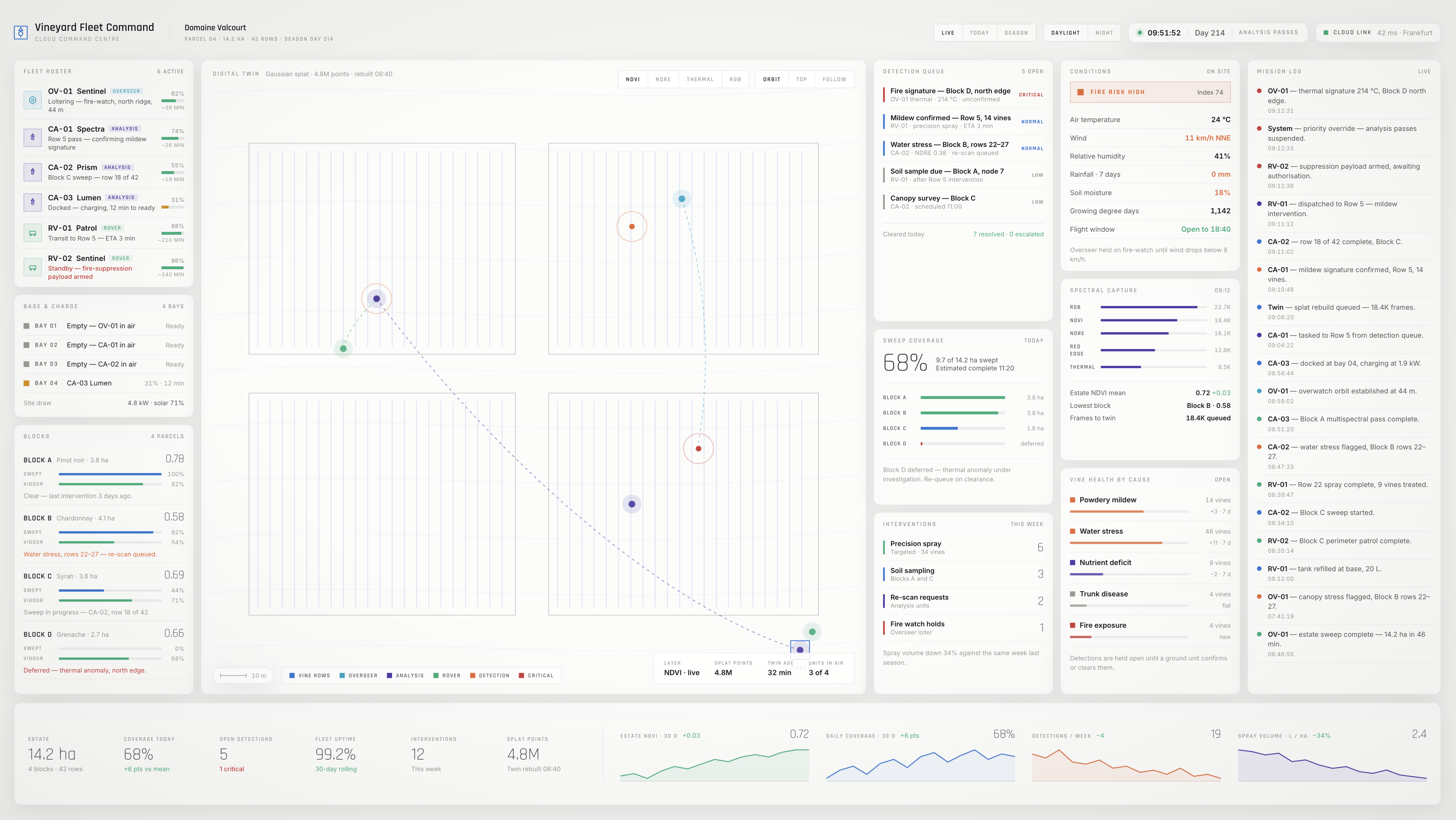
Terravect Pilots fly the sites in person, within line of sight, running the same Fleet Command software that will one day fly them autonomously. The client receives the full insight today — surface-health maps, detections, the digital twin — delivered as a managed service.
Managed service is the primary go-to-market. The client doesn't buy hardware, hire a pilot, or run the console — a local Terravect Pilot turns up on cadence and delivers the result. (Self-serve, where a client's own team runs the software, is a later enterprise option.)
Every flight builds the client base and the labelled data asset now — so we arrive at autonomy with customers, coverage and training data already in hand.
Zero-hours here is a feature for both sides, not a compromise: elastic supply for us, real flexibility for them.
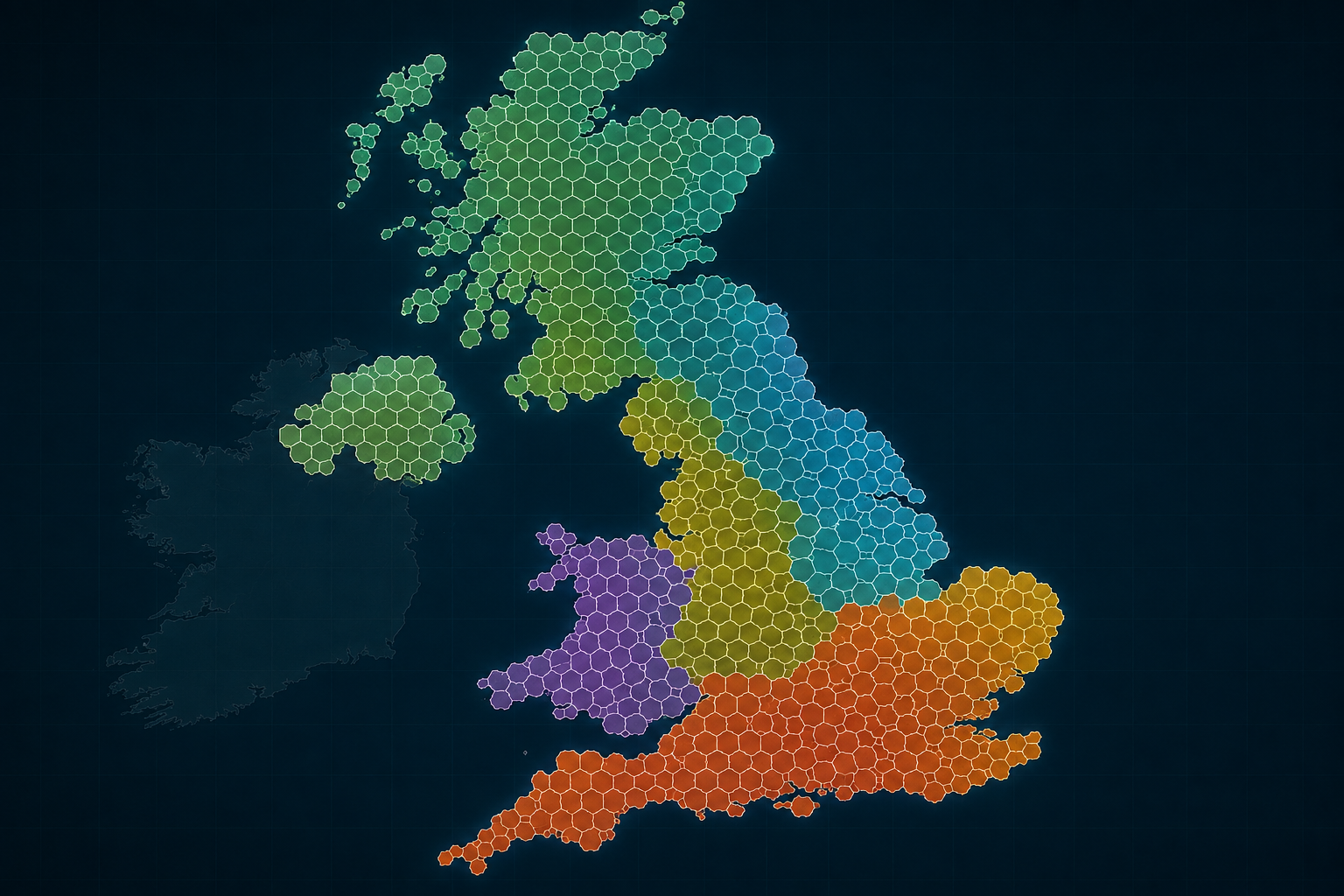
Expansion becomes a repeatable, self-financing move — zone by zone — rather than a national land-grab bankrolled up front.
Every pound spent building the pilot network buys both revenue today and the runway that autonomy lands on.